
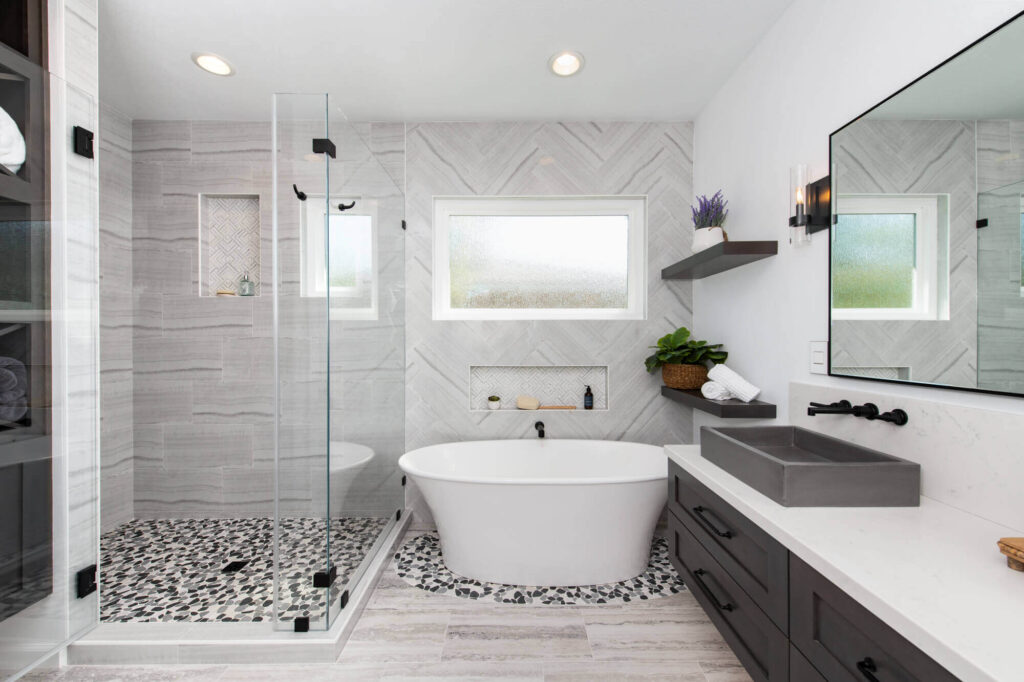
Embarking on a home remodel in the DMV? Congratulations! It’s an exciting step. A common first instinct is to call a contractor. While a great contractor is essential for execution, relying solely on them for the *entire* process, especially design, can lead to missed opportunities and costly mistakes. Here’s why engaging a dedicated residential designer, like KDP Designers, *before* you hire a builder is crucial:
- Optimized Vision, Layout & Functionality
Contractors excel at building what’s specified. Designers excel at figuring out *what* should be built based on your unique needs, lifestyle, and the potential of your space. A designer focuses on:
- Space Planning: Analyzing existing layouts, identifying inefficiencies, and creating optimized floor plans that maximize flow and usability (critical for kitchens and bathrooms).
- Translating Vision: Taking your Pinterest boards and ideas and translating them into a cohesive, buildable concept that reflects your personal style.
- Functional Solutions: Considering details like storage needs, traffic patterns, lighting placement, and appliance integration early in the process.
A designer ensures the *right* thing gets built, not just that something gets built correctly.
- Detailed Planning & Proactive Problem-Solving
As discussed in our previous post on why remodels go over budget, lack of detailed planning is the main culprit for cost overruns. A designer provides:
- Comprehensive Drawings: Permit-ready blueprints, elevations, electrical plans, and construction details that leave little room for guesswork or on-site interpretation errors.
- Material Specifications: Detailed lists of finishes, fixtures, and materials ensure accurate quoting and purchasing, preventing last-minute (and often expensive) substitutions.
- Anticipating Issues: Experienced designers can often spot potential structural, plumbing, or electrical conflicts during the design phase, allowing for solutions *before* demolition starts.
This level of detail minimizes change orders and keeps the project moving smoothly.
- Budget Management & Value Engineering
While contractors estimate costs based on plans, designers help you allocate your budget effectively *within* the plan itself. A designer can:
- Prioritize Spending: Help you decide where to splurge (e.g., statement countertops) and where to save (e.g., less expensive tile in secondary areas).
- Value Engineering: Suggest alternative materials or construction methods that achieve a similar aesthetic or functional goal at a lower cost, without compromising quality.
- Accurate Scope Definition: Provide clear plans that allow contractors to give more accurate, comprehensive bids upfront.
Designers help you spend smarter, maximizing the impact of your investment.
- Cohesive Aesthetics & Curated Selections
A designer possesses a trained eye for aesthetics and ensures all the individual elements work together harmoniously. They assist with:
- Unified Vision: Creating a consistent style and mood throughout the space or (in additions) ensuring seamless blending with the existing home.
- Material & Finish Curation: Guiding you through the overwhelming choices for tile, paint, fixtures, lighting, cabinetry, etc., ensuring selections complement each other.
- Scale & Proportion: Ensuring furniture layouts, fixture sizes, and architectural details are appropriately scaled for the space.
A designer prevents the “piecemeal” look that can result from making selections in isolation.
- Your Advocate & Liaison
A designer acts as your representative throughout the process. Their primary loyalty is to your vision and goals. They can:
- Bridge Communication: Facilitate clear communication between you and the contractor, ensuring design intent is understood and executed correctly.
- Review Contractor Bids: Help you compare bids based on the detailed plans, ensuring apples-to-apples comparisons.
- Troubleshoot Issues: Collaborate with the contractor if unforeseen issues arise during construction, helping find design-savvy solutions.
Having a designer on your team provides crucial support and ensures your interests are prioritized.
The Takeaway: Designer + Contractor = Success
A great contractor is indispensable for quality construction. But a great designer is essential for ensuring the *right* project gets built beautifully, functionally, and (as close as possible) to budget. By investing in design upfront, you create the detailed roadmap your contractor needs to succeed, ultimately saving you time, money, and stress.
At KDP Designers, our “design-only” approach provides exactly this critical planning foundation, delivering permit-ready, buildable plans powered by cutting-edge visualization technology.
About the Author
Principal Designer at KDP Designers with over 25+ years of experience in residential design, specializing in kitchens, bathrooms, and additions. Passionate about creating functional, beautiful spaces that stay on budget.
Ready to Ensure Your Remodel’s Success?
Start with a solid plan. Book a free discovery call with KDP Designers today.